
Commercial Waterproofing in Orlando, FL: What Property Managers Need to Know
- May 15
- 8 min read
Updated: May 18

Orlando is one of the most demanding environments for commercial buildings in the United States. The combination of intense subtropical heat, a rainy season that delivers over 50 inches of precipitation annually, high humidity that rarely drops below 60%, and hurricane season exposure creates waterproofing challenges that building owners and property managers in drier climates simply don't face. If you manage commercial real estate in Orlando or Central Florida, this guide explains what you need to know about keeping your building watertight, and who to call when it isn't.
Orlando's Unique Waterproofing Challenges
The Greater Orlando market includes an unusually diverse mix of building types: high-rise condominiums and mixed-use towers along International Drive and downtown, large hospitality properties surrounding the theme park corridor, aging mid-rise office buildings throughout Maitland and Altamonte Springs, and sprawling retail and industrial properties throughout Orange and Seminole counties. Each type presents different waterproofing vulnerabilities.
What they share is exposure to the same climate, and it's a difficult one. Central Florida averages 233 days of sunshine per year, which drives thermal expansion and UV degradation of sealants and coatings. Then, from June through September, intense afternoon thunderstorms deliver the majority of that 50+ inches of annual rainfall in short, violent bursts that stress drainage systems and test every weak point in a building's envelope. Buildings that were properly waterproofed five years ago may be quietly failing today.
The Most Common Commercial Waterproofing Problems in Orlando Buildings
After more than 50 years of commercial waterproofing work across Central Florida, the same failure modes appear repeatedly regardless of building type:
Failed Caulking and Sealants
Sealants at windows, doors, expansion joints, and penetrations are the single most common source of water intrusion in Orlando commercial buildings. High-quality polyurethane or silicone sealants have a design life of 10–15 years, but Florida's UV exposure and thermal cycling often cut that in half. By the time a sealant appears visually cracked or missing, water has often been infiltrating behind it for months or years. A comprehensive caulking replacement program, not spot patching, is the correct approach for buildings over 10 years old.
Elastomeric Coating Failure
Elastomeric coatings applied to stucco, concrete masonry, or EIFS (DryVit) facades provide the primary weather barrier for many Orlando commercial buildings. When these coatings fail, through cracking, delamination, or loss of flexibility, moisture penetrates the substrate and can cause stucco delamination, mold growth behind interior finishes, and damage to structural elements. Recoating with a high-quality elastomeric system every 10–15 years is standard practice for well-maintained commercial properties.
Parking Deck and Plaza Deck Waterproofing Failure
Parking garages and elevated plaza decks are among the most challenging waterproofing scopes in any building type. Vehicular traffic, thermal movement, and constant moisture exposure degrade traffic coatings and joint sealants faster than any other building component. In Orlando's climate, deck coatings typically require full restoration every 5–10 years, with joint sealants often needing replacement every 5–7 years.
Below-Grade Water Intrusion
Orlando's high water table — particularly in low-lying areas and near lakes — creates persistent hydrostatic pressure against below-grade building components. Parking garages, mechanical rooms, and storage areas at or below grade are vulnerable to water infiltration through cracks, failed sealants, and deteriorated waterproofing membranes. Active leaks in below-grade walls and slabs often require urethane injection to stop the immediate intrusion, followed by a comprehensive membrane restoration to address the underlying failure.
High-Rise Facade Deterioration
Orlando's high-rise buildings — condominiums, hotels, mixed-use towers — face building envelope challenges that compound over time. Sealant failure around curtainwall systems, window perimeters, and balcony railings allows water to track laterally behind the facade, often appearing far from the actual entry point. Diagnosing these failures correctly requires a systematic leak investigation, not just spot repairs at visible stains.


Commercial Waterproofing Services Available in Orlando
A qualified commercial waterproofing contractor in Orlando should be able to address the full range of building envelope needs — not just a single specialty. The primary service categories for Orlando commercial properties include:
Exterior painting and elastomeric coatings: High-build elastomeric systems that provide weather resistance, color, and crack-bridging in a single application. Ideal for concrete masonry, stucco, and EIFS surfaces.
Commercial caulking and sealant replacement: Full-building sealant replacement programs for windows, expansion joints, curtainwall systems, and control joints. Includes proper removal of existing sealant, not caulk-over applications.
Parking garage and deck waterproofing: Vehicular and pedestrian traffic coatings, below-grade waterproofing membranes, expansion joint replacement, and concrete repair.
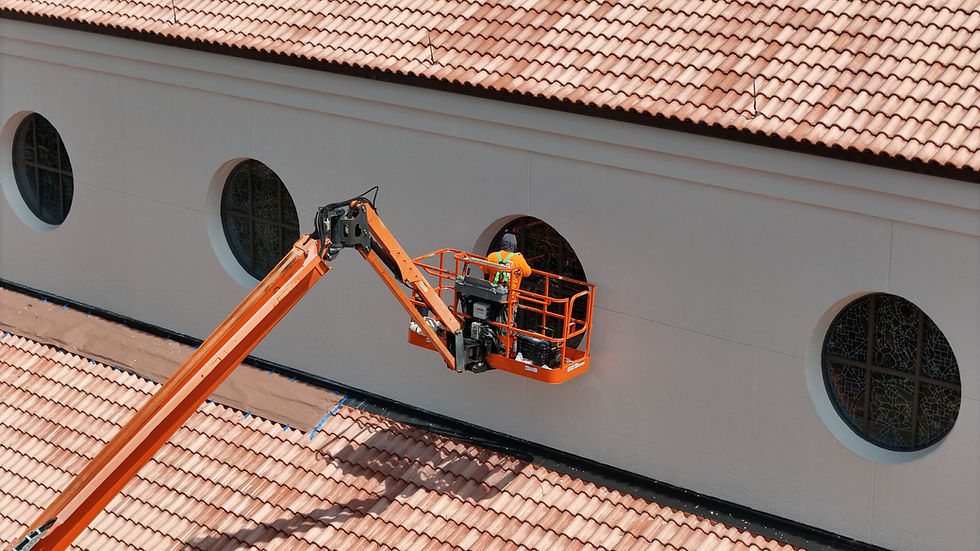
High-rise waterproofing and facade restoration: Leak investigation, window perimeter caulking, through-wall flashing repair, and comprehensive facade restoration for mid-rise and high-rise commercial buildings.
Pressure washing: Commercial-grade high-rise pressure washing to prepare surfaces for coating application or to maintain building appearance.
Sub-grade waterproofing and urethane injection: Active leak repairs for below-grade walls, slabs, and structural cracks using pressure-injected polyurethane foam.
Roof restoration and liquid membrane roofing: Reinforced liquid-applied membrane systems (such as Sika Sikalastic Roof Pro) and single-ply roofing systems (Sarnafil, Fibertite) for flat and low-slope roofs.
Stucco, EIFS, and DryVit repair: Repair and replacement of deteriorated exterior finish systems, including substrate treatment and integration with the building's weather barrier.
How to Evaluate a Commercial Waterproofing Contractor in Central Florida
The Greater Orlando market has no shortage of painting and coating contractors who will offer to waterproof your building. The difference between a qualified commercial waterproofing specialist and a general painting contractor can mean the difference between a 10-year solution and a 2-year failure. Before awarding a contract, verify:
Florida state contractor license. Commercial waterproofing work in Florida requires a licensed contractor. Verify the license at myfloridalicense.com and confirm it is active with no disciplinary history.
Manufacturer certifications for the specific products being specified. Sika, Tremco, Dow, W.R. Meadows, Neogard, and other manufacturers require certified applicator status to issue warranty-backed installations. Ask for proof of certification, not just a brand name on the proposal.
Experience with your specific building type. A contractor with deep experience waterproofing parking garages may have limited experience with high-rise curtainwall caulking, and vice versa. Ask specifically about projects comparable to yours — same building type, similar age and height, similar scope.
Local project references you can actually contact. Any reputable contractor should provide a list of recent projects in the Orlando area with property manager or owner contact information. Call the references.
In-house, dedicated crews. Some general contractors subcontract specialty waterproofing scopes to low-bid crews they've never worked with before. This is how quality control fails. Ask directly: are your waterproofing crews full-time employees of your company?
Financial stability and insurance. Commercial waterproofing projects often run six figures and span multiple months. Verify the contractor carries adequate general liability and workers' compensation insurance, and ask about bonding for larger projects.
What Makes Central Florida's Waterproofing Market Different
Property managers who have managed buildings in other parts of the country and relocated to Central Florida sometimes underestimate how much Florida's climate changes the calculus on maintenance intervals and material selection. A few things worth knowing:
Florida building codes are stricter than most states on moisture management, particularly for high-rise and coastal construction. Contractors must understand and comply with Florida Building Code requirements, not just general industry practice.
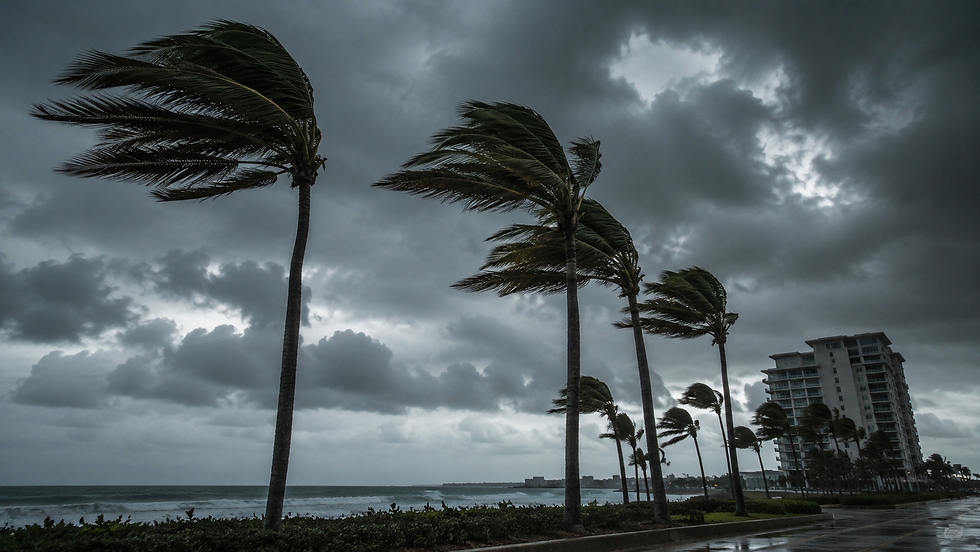
Hurricane exposure matters beyond wind-driven rain. Even in Orlando — which sits far enough inland to avoid direct coastal surge — Category 2+ storm events drive rain horizontally into building envelopes at angles and pressures that no other weather event produces. Buildings with marginal waterproofing that has been adequate for years can fail dramatically during a storm.
Florida's litigation environment around building envelope failures is aggressive. Condominium associations in particular have faced large construction defect claims related to waterproofing failures. Choosing a qualified, licensed, insured contractor with manufacturer-backed warranties is not just good building maintenance — it's sound risk management.
Material selection matters in Florida's UV environment. Not all caulks, coatings, and membranes perform the same in intense UV exposure. A contractor familiar with Central Florida's specific conditions will specify materials with appropriate UV stability ratings — not just whatever is least expensive or most familiar.
Structural Waterproofing Company's Work in Orlando and Central Florida
Structural Waterproofing Company is based in Maitland, FL, in the heart of the Orlando market since 1975. Our work in the Greater Orlando area spans the full range of commercial building types: office buildings and mixed-use properties in Maitland and Altamonte Springs, condominium towers throughout the Orlando metro, parking garages including the 55 West / City of Orlando Parking Garage, churches, educational facilities, and hospitality properties.
Our project portfolio in Central Florida and beyond spans over 1,700 commercial buildings across five decades of operation in this market.



Frequently Asked Questions
How do I know if my Orlando commercial building needs waterproofing?
Common indicators include water stains on interior walls or ceilings during rain events, peeling or bubbling paint on exterior surfaces, visible cracks in stucco or masonry, deteriorated caulking at windows or joints, and musty odors in interior spaces near the building envelope. If your building is over 10 years old and has not had a comprehensive waterproofing inspection, scheduling one is worth the time, and most qualified contractors will provide an initial assessment at no charge.
How long does commercial waterproofing last in Orlando?
It depends on the system and the application. Elastomeric coatings on stucco or masonry typically last 10–15 years. Window and joint sealants typically require replacement every 10–20+ years depending on the material used, though Florida's UV exposure often compresses that time. Parking deck traffic coatings last 5–10 years because of constant wear and tear. Roof waterproofing membranes, when properly installed, carry 15–20 year warranties. No system lasts indefinitely without maintenance inspections.
What is the difference between waterproofing and painting?
Commercial exterior painting uses architectural-grade paint systems that provide color and modest weather resistance. Commercial waterproofing uses high-build elastomeric coatings, traffic membranes, sealants, and sheet or fluid-applied membranes that are specifically engineered to prevent water intrusion. A waterproofing contractor specifies products by their water resistance performance data, including mil thickness, elongation at break, crack-bridging capability — not just their appearance. Many commercial buildings need both: a waterproofing system as the functional water barrier, and a finish coat for color and aesthetics.
Can I get a warranty on commercial waterproofing work in Orlando?
Yes, and you should insist on one. The strongest warranties are manufacturer-backed warranties issued by the product manufacturer (Sika, Tremco, Dow, etc.) when installation is performed by a certified applicator. These typically cover 5, 10, or 15 years depending on the system. Contractor-only warranties are worth less — they're only as good as the contractor's continued existence and financial stability. For significant scopes, require both a manufacturer warranty and a contractor workmanship warranty.
How much does commercial waterproofing cost in Orlando?
Scope varies enormously, so cost ranges are wide. Caulking replacement for a mid-rise office building might run $15,000–$60,000 depending on the building perimeter and number of penetrations. Full elastomeric recoating of a commercial facade commonly runs $3–$8 per square foot of wall surface. Parking deck coating restoration typically runs $4–$12 per square foot of deck. Roof waterproofing systems range from $8–$20+ per square foot depending on the system selected. The best way to get an accurate number is a detailed scope-of-work walk with a qualified contractor.
Schedule a Free Commercial Waterproofing Assessment for Your Orlando Property
If you manage commercial real estate in Orlando, Maitland, Winter Park, Altamonte Springs, Lake Mary, Sanford, or anywhere else in Central Florida, Structural Waterproofing Company offers no-obligation property assessments. We'll walk your building, identify current and emerging waterproofing issues, and provide a clear, prioritized scope of work — not a high-pressure sales call.
We've been in this market since 1975 and seen it all. We know Orlando's buildings, its climate, its building codes, and its waterproofing challenges better than any contractor that isn't based here full-time. To schedule an assessment, call us at (407) 645-2021 or reach out through swpfl.com/contact-us. We typically respond within one business day.

Comments